A shop-in-shop, or SIS, is a branded selling space inside a larger store: your fixtures, your planogram, your assortment, standing inside a department store or a large multi-brand outlet. For a national brand entering modern trade in a new region, it is usually the first format on the table. It is also the format most often underestimated.
The bay itself is the visible tenth of the work. What decides an SIS counter's fate is the unglamorous machinery behind it: who fills it, who staffs it, who reads its numbers, and who acts when the numbers turn.
The fixture and planogram work
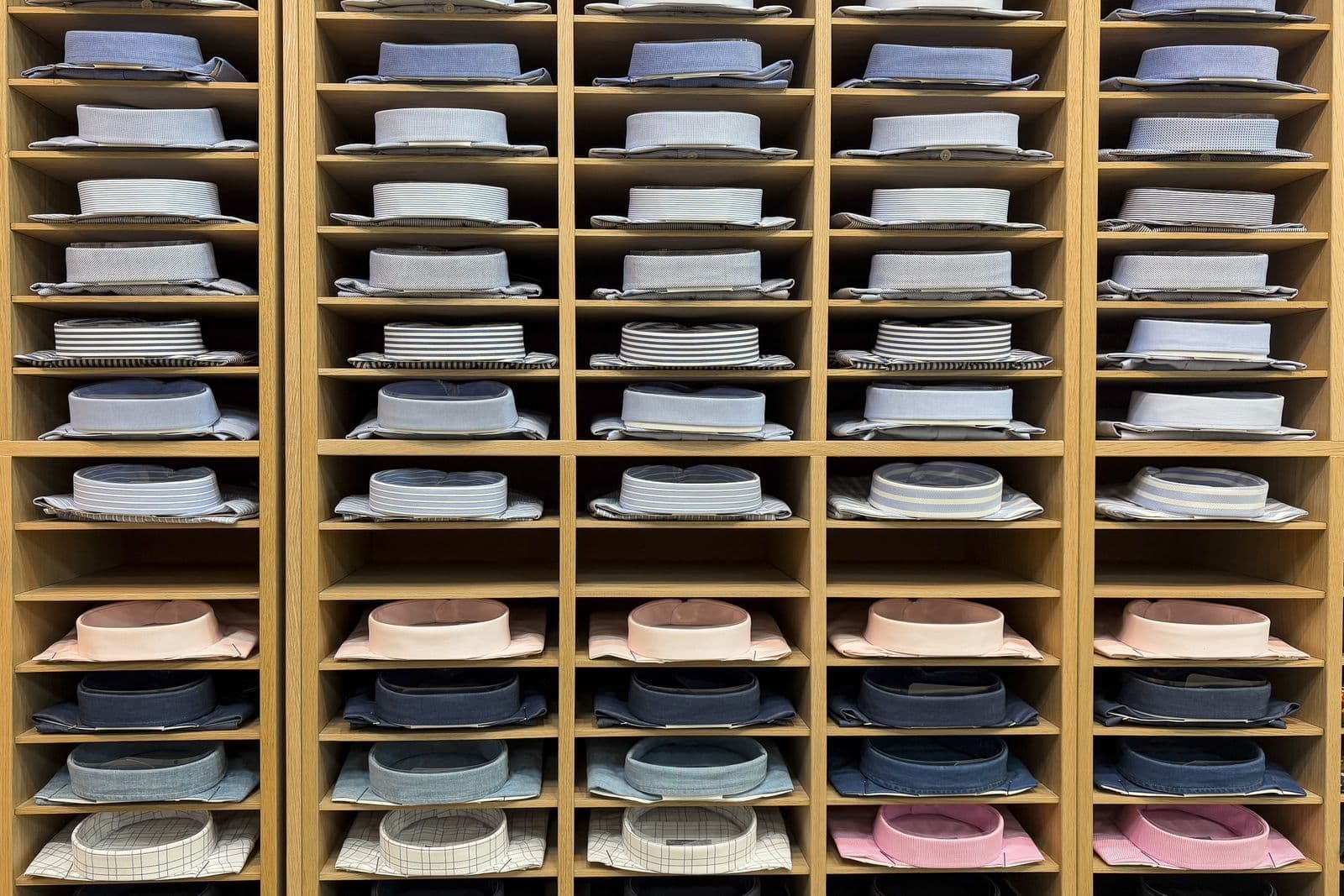
An SIS begins with a fit-out: branded fixtures, signage and lighting built to the host store's specifications. Then comes the planogram, the shelf-by-shelf map of what sits where. A planogram is not decoration. It encodes decisions about depth, adjacency and sightlines that directly move sell-through.
Someone has to own that map through the season: refreshing it when new options land, correcting it when floor staff improvise, rebuilding it at every end-of-season sale. That is standing work, not launch work. A bay that launched perfectly in March and was never re-planogrammed is indistinguishable from neglect by August.
Replenishment is the real programme
An SIS bay holds far less stock than a warehouse aisle. It sells out of sizes fast, and a bay with broken size sets stops earning while still paying for its space. The core discipline of any SIS programme is replenishment: reading secondary sales, converting them into fill orders, and getting cartons to the floor before gaps appear.
- Secondary-sales reads: how often is sell-through data pulled, and by whom?
- Fill cycles: how many days from a size break to the replacement carton on the shelf?
- Stock cover norms: how much depth sits at the bay, and how much at the regional warehouse?
- Returns and claims: who processes damages and shop-soiled stock, and on what timeline?
People on the floor
Most SIS arrangements involve a brand-funded promoter or shared floor staff. Hiring, training and supervising them across scattered host stores is a genuine operating burden. It is also where regional partners earn their keep: a distributor with a dedicated SIS team already has supervisors on the road and a bench that a brand office in Mumbai or Bengaluru does not.
Agree the supervision structure before launch, not after the first quiet month. Every bay needs a named supervisor, a visit rhythm, and a replacement process for promoter attrition that does not leave the counter unmanned through a festival week.
Costs, in plain terms
Every SIS programme carries four cost lines: fixtures, staffing, stock carrying and markdowns. Who bears each is a matter of negotiation with the host and the regional partner, and the split varies chain to chain. What should not vary is clarity: each line owned by someone, in writing, before the first carton ships.
The data spine
Modern trade runs on data, and host stores expect their SIS partners to keep up. Our own SIS counters run plug and play, on data rather than memory, because replenishment guesses that were tolerable in general trade become visible failures in a department store's weekly review.
Ask any prospective SIS operator to show you the reports a brand actually receives: sell-through by option, size-set health, stock ageing, fill rate against orders. If the answer is a photograph of a sales register, the programme is not a programme.
Where SIS fits in an entry sequence
SIS rarely comes first. The sequence that works in this region: build MBO distribution for a season or two, prove sell-through, then add SIS bays where the data supports them, with EBOs last. Host stores negotiate harder with brands that have no regional proof, and a bay without regional logistics behind it becomes an expensive billboard.
What a brand should settle before signing
- Who pays for fixtures, and who owns them at exit.
- The replenishment cycle and the stock-cover norm, in writing.
- Staffing: who hires, who trains, who supervises, who replaces.
- Data: which reports, at what frequency, from which system.
- Exit terms: notice period, stock withdrawal and fixture removal.
A good SIS programme is quiet. Fixtures stay full, size sets stay whole, reviews hold no surprises. That quiet is manufactured by a team doing the standing work every week. If you are weighing a Northeast entry through modern trade, we are happy to walk you through how we run it.