A distribution agreement is easy to sign and expensive to unwind. By the time weak coverage or sloppy claims show up in your secondary numbers, a season is gone and your brand's first impression in the region has been spent. The questions below are the ones we would ask in your position. We answer all of them ourselves, on paper, before any brand signs with us.
The list is short on purpose. A distributor who answers these cleanly will answer the next eighty. Bring the answers back in writing: anything a distributor will only say across a table is something they do not expect to be held to.
Coverage: who actually gets visited?
Retailer counts are the easiest numbers to inflate. An account billed once a year is not coverage. Ask for the split between billed accounts and visited accounts, and how the house verifies its own field discipline.
- How many retailers are on an active, scheduled visit cycle, and what is the cycle? (Ours: 300+ retailers, each visited at least every 20 days.)
- Which towns beyond the state capital are serviced directly, and how often?
- How many brands does the house carry, and where would yours rank for attention?
Warehouse: where will your stock physically sit?
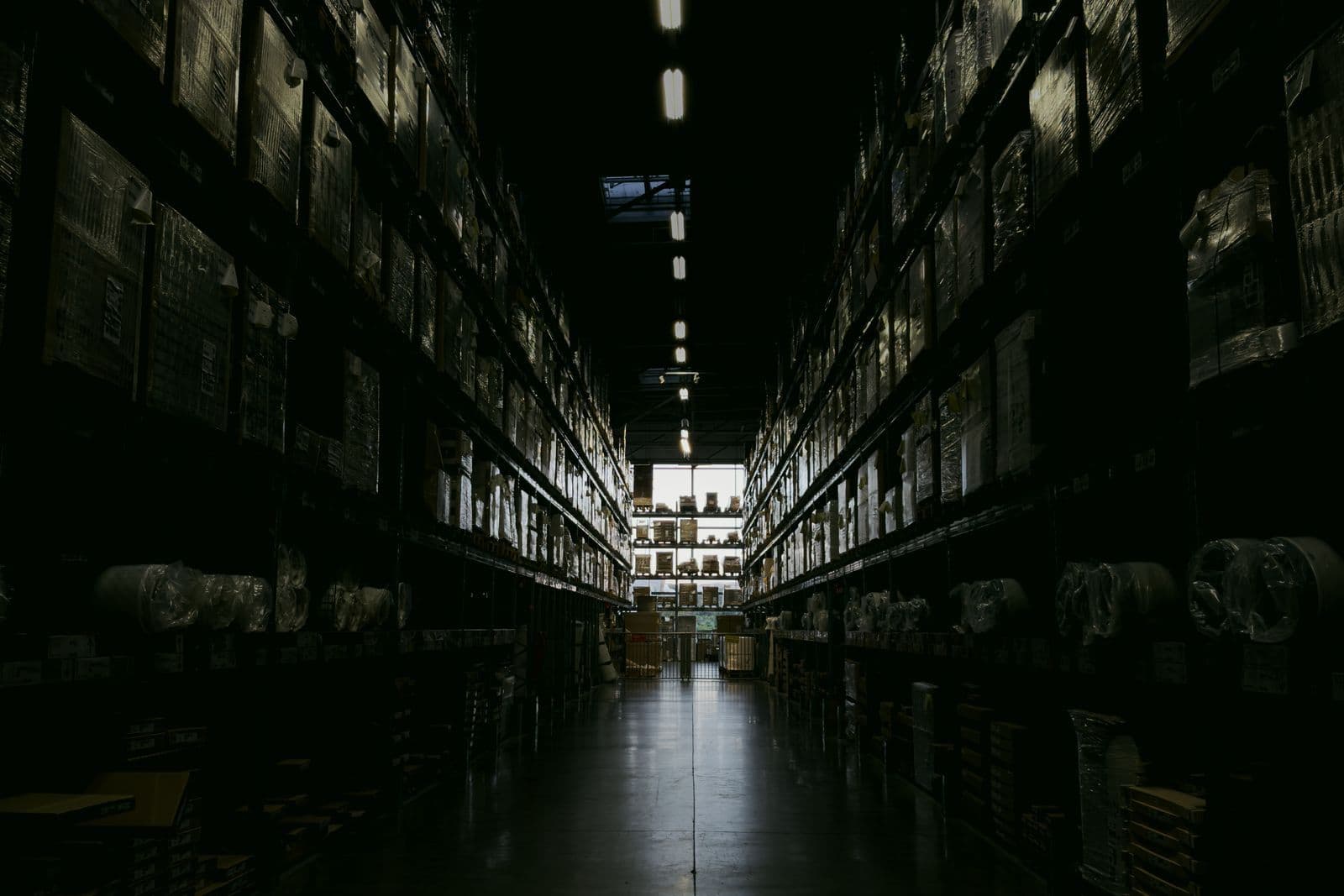
Regional depth needs regional stockholding. Ask to walk the warehouse before you sign; the binning, picking and dispatch discipline you see there is the service your retailers will get.
- How many square feet, and how is a brand's stock binned and secured? (Ours: 15,000 sq ft with Arihant Marketing and 9,000 sq ft with Arihant Apparels, both in Guwahati.)
- What is the order-to-dispatch timeline on a standard indent?
Watch for stock hygiene while you are there. Season-old cartons stacked against live stock, or brand inventories bleeding into each other, tell you how your own range will be treated in month eight. A dispatch promise means nothing without the racking and manpower behind it.
Claims: the discipline that predicts everything else
Claims handling is where distributors reveal themselves. A house that documents and settles claims on schedule almost always runs everything else on schedule too.
- What is the standard timeline from claim raised to claim settled?
- Who inspects defectives, and how is the paperwork maintained?
Ask one more thing: how retailer claims flow back to the brand. A house that nets everything into a year-end argument is storing up a dispute. A house that documents as it goes is protecting both sides.
Market feedback: will you learn anything?
A distributor stands between you and the shopper, and the good ones shorten that distance with structured feedback: size-set performance, price-point resistance, competitor movement, exhibition order patterns. Ask what reporting you will receive, at what frequency, and from which system. Then ask to see a sample from a brand they already carry.
Reporting does not need to be elaborate. It needs to be regular, honest and specific enough to act on before the next buying meeting. If the region is invisible in your dashboards today, this is the question that fixes it.
Attention: the question nobody asks
Every distributor has a best brand and a bottom shelf. Ask directly how many field staff will carry your range, which exhibitions your brand will be shown at, and what the house expects from you in return: launch support, scheme discipline, timely dispatches from your end. These relationships fail as often from a brand's neglect as from a distributor's.
Weight you can verify
Awards, association roles and longevity can all be checked in this trade. CMAI named Arihant Marketing Best Distributor of India in 2015; the house is a founder member of NEGTA and has traded since the 1990s. Whatever region you are entering, look for the equivalent: a distributor whose reputation is worth more than any single brand's business.
If Northeast India is on your map, put these questions to us first. We would rather earn the business in the first meeting than lose it in the second season.