Arihant Retail's partnership model is usually summarised in six words: we run it, you own it. Six words invite scepticism, and they should. This note lists what sits on each side of that sentence, task by task, so you can interrogate the model properly.
What stays with you, the owner
- The store itself: the property or lease, and the capital that builds the asset.
- The returns: the store trades on your books, as your business.
- Oversight: a clear performance review rhythm, with the numbers in front of you.
- The decision to enter, and the terms of exit, agreed in writing at the start.
That is the full list. It is short by design. Most of our partners keep their existing occupation.
What our team carries
People
Hiring, training, rostering and managing the floor team is ours, including replacements when someone leaves. Staffing is the single most underestimated burden in first-time retail, and it never stops.
Merchandising and stock
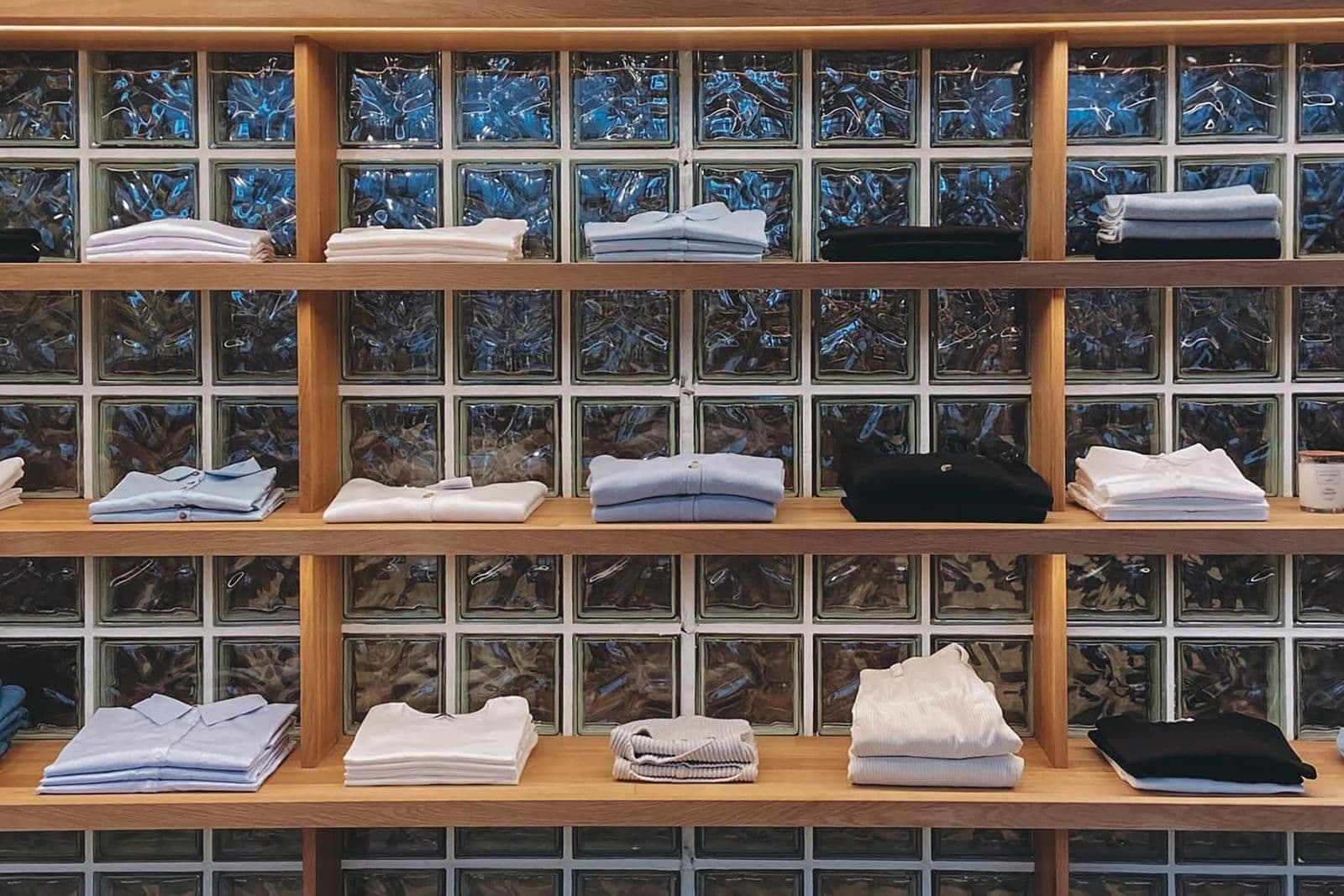
We decide the assortment, set the planogram, rotate stock through the season and run the end-of-season process. The buying relationships behind this come from the group's distribution businesses: 77 national labels and 35 years in the trade.
Deadstock
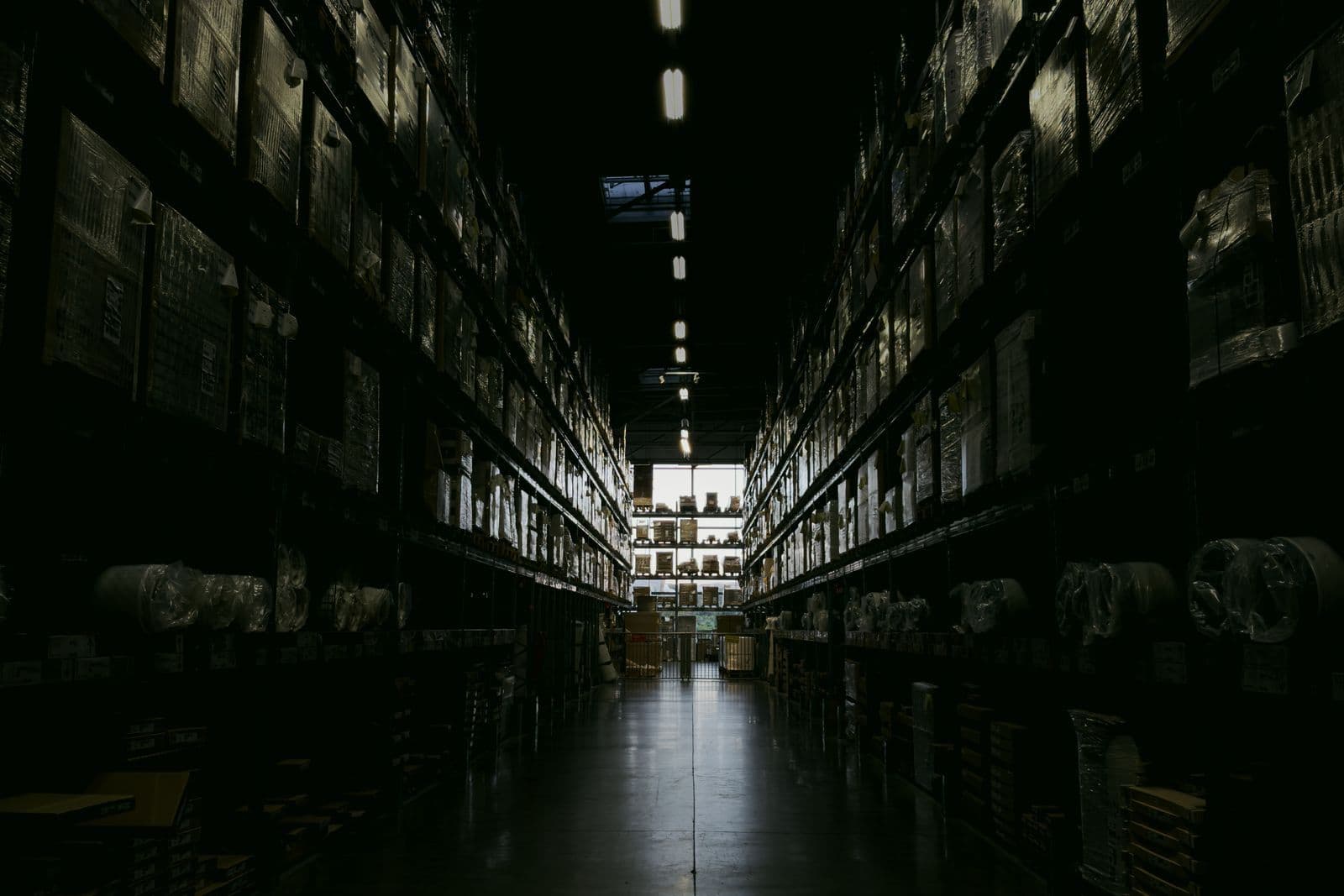
Unsold inventory is the risk that quietly sinks independent stores. In our model it is engineered out of the owner's books entirely: a zero-deadstock arrangement, in writing. A season's mistakes will not be found sitting in your accounts.
Marketing and CRM
Footfall generation is our responsibility. We run calibrated influencer and social media campaigns for every store and maintain the customer CRM centrally. The owner is never asked to become a marketer.
Targets and review
Our team sets targets, tracks them and reports to you on a fixed rhythm. You review performance; you do not chase it.
What we deliberately do not promise here
You will notice no return percentages on this page or anywhere on this site. Store economics depend on the city, the property and the format, so quoting a universal figure would be salesmanship rather than analysis. The full cost sheet and P&L structure go on paper in your proposal discussion, specific to your site.
What we say publicly is what we can stand behind: the model is tried and tested, 5 stores already trade on it under both ownership structures, and it is backed by a strong, proven ROIC record and 35 years of goodwill in this trade.
How to test the model
- Visit the stores. They are on the street, trading; judge the floors, not the deck.
- Ask who carries each of the tasks above, and get the answer in writing.
- Ask what happens when a store underperforms: which levers exist and who pulls them.
- Speak to us last, after you have compared the answer sheet with anyone else's.
The model exists because good properties and good operators are rarely the same people. If you hold the property, we hold the rest. Request the details and we will call you within one working day.